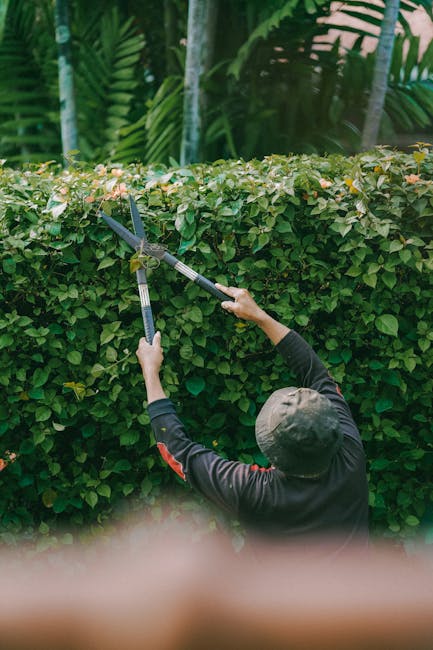
Urgent tree and hedge emergency gardeners in Brentford
If a branch has snapped across your driveway, a hedge has blown into the pavement, or a tree is leaning in a way that makes your stomach drop, you do not need a long lecture. You need calm, practical help, and you need it quickly. That is exactly where urgent tree and hedge emergency gardeners in Brentford come in. They deal with the messy, awkward, sometimes slightly alarming jobs that cannot wait until next week.
Brentford homes and gardens can take a beating from wind, heavy rain, sudden growth spurts in spring, and the odd neglected boundary line that becomes a proper nuisance. In those moments, the right response is not guesswork. It is safe assessment, quick action, and tidy follow-through. This guide explains what emergency garden help actually covers, how it works, what to expect, and how to choose a service that is sensible rather than rushed. Fair warning: when a tree is involved, "I'll sort it later" is rarely the best plan.
For broader help beyond urgent call-outs, you may also find the site's general gardening services useful, especially if the emergency is part of a bigger maintenance issue rather than a one-off problem.
Why Urgent tree and hedge emergency gardeners in Brentford Matters
Emergency tree and hedge work is not just about tidying up a garden that looks rough after a storm. It is about reducing immediate risk. A split limb over a footpath, a hedge collapsing onto a neighbour's side, or a tree rubbing against roofing or fencing can create hazards very quickly. Sometimes the danger is obvious. Sometimes it is hiding behind a few leaves and a reassuringly stubborn branch that looks "probably fine". It may not be fine.
In Brentford, where properties often sit close together and outdoor space can be tight, small structural problems spread into bigger ones fast. A hedge that has been left too long can block access, obscure sightlines, and push into neighbouring boundaries. A damaged tree can drop debris, stress root systems, and make a wet patch in the garden feel far more serious than it first appears.
There is also the practical side. If you wait too long, the job often becomes bigger, messier, and more expensive. A fast call-out can sometimes mean a simple prune, tie-back, or reduction rather than a more disruptive removal. That difference matters. A lot.
Expert summary: urgent garden work is most effective when it starts with safety, not speed alone. The best emergency gardeners look at the risk, stabilise the site, and then remove the problem in the least disruptive way that still protects people and property.
If the situation is linked to widespread overgrowth or a neglected plot, a wider tidy-up may be needed afterwards. In that case, garden clearance can be the natural next step once the immediate danger has been dealt with.
How Urgent tree and hedge emergency gardeners in Brentford Works
The process is usually more methodical than people expect. In an urgent situation, a good team does not just turn up and start cutting. They assess access, check for hazards, decide what can be made safe immediately, and then work through the problem in stages. That might sound very neat on paper, but in real life there can be wind, awkward gate access, wet ground, broken fencing, or a branch that is wedged in a way nobody likes.
Typically, the work starts with a quick phone conversation or message describing the issue. Is the tree actually down? Is the hedge blocking a path? Is there structural damage? Has anything hit a roof, a vehicle, or a fence? Those details help determine urgency and the right equipment. From there, the team may arrange a fast visit, especially if there is a risk to people, entrances, or neighbouring property.
Once on site, the priority is usually to make the area safe. That can involve cordoning off a section, removing loose material, reducing weight from unstable branches, or clearing obstructive hedge growth. If the job is not truly an emergency but still needs prompt attention, it may be scheduled as a fast-tracked visit rather than a same-day rescue. To be fair, that distinction saves a lot of confusion.
For many hedge-related issues, a service such as hedge trimming is the more suitable long-term solution after the immediate hazard has been reduced. For tree-related hazards, the appropriate route may be tree surgery or, where removal is genuinely required, tree lopping and removal.
Key Benefits and Practical Advantages
The obvious benefit is speed. But speed alone is not the real value. The real value is preventing a small garden emergency from turning into a bigger property problem. A hanging branch over a path is not just annoying; it can become a falling-object risk. A hedge spilling into access routes is not just untidy; it can cause trip hazards, blocked visibility, and awkward neighbour disputes. Nobody wants those on a Wednesday morning, let alone after a storm.
Here are the main advantages of using urgent tree and hedge emergency gardeners in Brentford:
- Immediate risk reduction for people, pets, vehicles, and buildings.
- Faster restoration of access to driveways, entrances, and shared paths.
- Less secondary damage to fences, paving, gutters, and planted areas.
- Cleaner decision-making when you are under pressure and unsure what the problem really is.
- Better appearance and control after the urgent issue is contained.
- More sensible follow-up planning for maintenance, pruning, or clearance work.
There is another benefit that people sometimes overlook: peace of mind. Once the immediate hazard is dealt with, the whole property feels less tense. That sounds a bit dramatic, perhaps, but if you have spent two nights listening to wind shake a broken branch outside your bedroom window, you know exactly what I mean.
If your emergency has also exposed weak boundaries or damaged panels, it can make sense to review fencing services too, because a tree or hedge incident often reveals another weak spot nearby.
Who This Is For and When It Makes Sense
This service is for anyone whose garden has crossed from "needs attention" into "needs attention now." That includes homeowners, landlords, tenants with permission to report the issue, property managers, and anyone responsible for shared outdoor areas. It also matters for small businesses with frontage planting, access paths, or boundary hedging that affects customers and staff.
It makes sense when:
- a tree or large branch has fallen or partially fallen;
- a hedge is blocking access, visibility, or safe passage;
- wind or weather has caused visible instability;
- branches are touching roofs, gutters, power lines, or structures;
- an overgrown hedge is causing an immediate boundary or access issue;
- there is debris that may shift, drop, or worsen overnight.
It may not need a true emergency response if the tree or hedge looks untidy but stable, and nobody is at risk. In that case, routine maintenance is usually the better, cheaper route. A sensible gardener will tell you that rather than pretending every bush is a crisis. Nobody needs dramatic gardening theatre.
Regular upkeep through garden maintenance can prevent many of these urgent situations from developing in the first place, especially where hedges are fast-growing or trees overhang tight spaces.
Step-by-Step Guidance
If you are dealing with an urgent issue right now, the safest approach is to slow the situation down for a minute and work through it logically. Here is a practical sequence that usually helps.
- Check for immediate danger. Keep clear of unstable branches, leaning trunks, and anything that could fall.
- Keep people away. If needed, block off access to the area until help arrives.
- Look for secondary damage. Check fences, sheds, gutters, paths, and vehicles from a safe distance.
- Note what happened. A quick description, a few photos, and the time of the incident can help with the initial assessment.
- Explain access details. Narrow side return? Locked gate? Shared alley? Mention it early.
- Ask for a safety-first response. The job should begin with stabilising risk, not with cosmetic cutting.
- Arrange follow-up work. Once safe, decide whether trimming, removal, clearance, or restoration is needed.
A small but useful tip: if a hedge is blocking a gate or pathway, do not just hack at it blindly with a hedge trimmer from the wrong angle. It is surprisingly easy to make the situation worse, and usually in the most irritating way possible.
When the emergency is part of a larger overgrown site, some customers choose to combine the response with broader gardening services so the garden ends up safe and usable, not just less dangerous.
Expert Tips for Better Results
Good emergency garden work is not about brute force. It is about judgement. In our experience, the best outcomes usually come from a few practical habits.
- Describe the problem precisely. "Tree issue" is vague. "Large limb hanging over rear path after high winds" is useful.
- Prioritise safety over appearance. A rough-looking temporary cut can be the right decision if it removes immediate risk.
- Keep neighbour communication calm and early. Boundary hedges and shared trees can escalate quickly if nobody talks.
- Think about ground conditions. Wet lawns, soft borders, and muddy side access can change what equipment is practical.
- Ask about disposal. Branches, clippings, and trunk sections do not vanish by magic. Sadly.
- Book the follow-up while the problem is fresh. If a hedge has overgrown once, it will probably do it again if left alone.
A little local reality helps too. Brentford gardens often sit close to walls, alleys, and neighbouring windows, so neat handling matters. Cutting in a cramped space is different from working in an open suburban lawn. There is less room for error, less room for mess, and definitely less room for heroic improvisation.
If the site needs more than a tidy-up after the emergency, landscaping support can help restore structure, planting balance, and safer movement around the garden.
Common Mistakes to Avoid
Most mistakes happen because people are trying to be quick, which is understandable. But quick and careless are not the same thing.
- Approaching unstable branches too closely. A branch under tension can move unexpectedly.
- Cutting without checking the direction of strain. This is how small jobs become surprisingly stressful ones.
- Assuming hedge damage is harmless. A blocked entrance or visibility issue can be a real safety concern.
- Ignoring root or trunk movement. If the base is shifting, the situation is more serious than surface damage.
- Forgetting about neighbours. Overhanging growth and debris rarely stay politely on one side.
- Waiting too long for help. A delay can turn one cut branch into a more complex clean-up.
Another common mistake is choosing the cheapest response without asking what is included. For urgent work, what matters most is not simply the price tag. It is whether the team can assess risk properly, work safely, and leave the area genuinely usable afterwards.
Tools, Resources and Recommendations
You do not need to own professional equipment to handle an emergency well, and in many cases you should not try. Still, it helps to understand what a proper team might use and why.
| Situation | Typical approach | What it achieves |
|---|---|---|
| Hanging branch or partial fall | Careful stabilisation, sectional cutting, controlled removal | Reduces immediate danger without worsening the break |
| Overgrown hedge blocking access | Fast reduction, shaping, and clearance of cut material | Restores safe movement and visibility |
| Tree leaning after storm | Risk assessment, possible bracing of access area, pruning or removal recommendation | Prevents further movement or collapse |
| Debris scattered across garden | Clearance, sorting, disposal, and site tidy-up | Makes the area safe and manageable again |
For practical planning, these pages are worth having in mind if the emergency opens into a wider job: pricing and quotes for understanding cost structure, insurance and safety for peace of mind on risky work, and recycling and sustainability if you want waste handled responsibly rather than just tipped into a pile and forgotten.
One practical recommendation: keep a brief note of the issue, the date, and who attended. If the work later needs follow-up, those details save time and head-scratching.
Law, Compliance, Standards, or Best Practice
Tree and hedge emergency work in the UK needs careful handling because it can involve property boundaries, public safety, disposal of green waste, and, sometimes, protected trees or conservation considerations. The exact duties depend on the site and the work involved, so it is sensible to treat this as an area where professional judgement matters.
Best practice usually includes:
- making the area safe before cosmetic work begins;
- checking for access issues, overhead risks, and neighbouring property concerns;
- using the right equipment for the size and condition of the tree or hedge;
- disposing of waste responsibly;
- working in line with public liability expectations and sensible safety procedures;
- documenting the job when the work relates to storm damage or an urgent hazard.
It is also sensible to ask whether the service follows a clear health and safety process. A company that can explain its health and safety policy plainly is usually giving you a better sign than one that waves everything away with "don't worry, mate, we do this all the time." Maybe they do. But you still want the explanation.
For transparency around service expectations, the pages on terms and conditions and privacy policy are also useful, especially when booking quickly under pressure and wanting to know how your details, payment, and booking information are handled.
Options, Methods, or Comparison Table
Not every urgent tree or hedge problem needs the same solution. Choosing the wrong method can waste time, money, and energy. The table below gives a simple, practical comparison.
| Option | Best for | Strengths | Limitations |
|---|---|---|---|
| Emergency hedge trimming | Blocked access, sudden overgrowth, boundary overflow | Fast, tidy, restores visibility quickly | Not enough if root issues or structural damage exist |
| Tree surgery | Damaged limbs, unstable growth, structural concerns | Targets the tree's health and safety with specialist care | May need more planning and assessment |
| Tree lopping and removal | Severe damage, unsafe lean, irreparable risk | Removes the immediate hazard completely | More disruptive and not always necessary |
| Garden clearance | Storm debris, collapsed hedge material, general aftermath | Clears the site and restores usability | Does not solve the underlying tree or hedge issue alone |
For many Brentford properties, the best approach is a combination. For example: stabilise the tree, trim the hedge, clear the waste, then come back later for a proper maintenance visit. That staged approach is often the least disruptive, and honestly, the least stressful too.
Case Study or Real-World Example
Picture a fairly ordinary Brentford terrace after a windy night. A hedge along the side return has bowed into the path, the bin area is awkward to reach, and a tree branch in the rear garden has split and is resting at an odd angle against a fence panel. Nothing is fully collapsed, but the space feels unsafe. You can hear the branch creak a little when the wind picks up. Not ideal.
In a situation like that, the first step is not full removal of everything in sight. The first step is to make the site safe and assess what is actually causing the risk. The hedge may only need prompt trimming and reshaping. The branch may need sectional cutting so it can be removed without dragging more wood down with it. The fence may need inspection before anyone decides whether repair is enough.
What makes this kind of job successful is the order of operations. Safety first. Then the urgent cut. Then clearance. Then the follow-up recommendation. When that happens properly, the garden stops feeling like a problem area and starts feeling usable again. You can get to the bins without squeezing sideways, the path feels open, and the back of the house does not look like it is holding its breath.
That is the real value of emergency garden work: not just fixing the obvious damage, but helping the property feel normal again.
Practical Checklist
Use this checklist if you are dealing with an urgent tree or hedge issue in Brentford.
- Keep children, pets, and visitors away from the hazard.
- Do not stand under leaning limbs or loose branches.
- Check whether the issue affects access, roofs, fences, or vehicles.
- Take a few clear photos from a safe distance.
- Describe the problem clearly when requesting help.
- Ask whether the work is a temporary safety fix or a full solution.
- Confirm what happens with cuttings and debris.
- Ask about insurance and safety procedures.
- Plan any follow-up pruning, trimming, or clearance work.
- Keep records if the damage may relate to a boundary or property claim.
If the event has exposed wider issues in the garden, it may be sensible to plan a more complete tidy-up afterwards. A combination of lawn care, hedge work, and clearance often gives the most satisfying result. The place stops looking battered by weather and starts looking lived-in again.
Get a free quote today and see how much you can save.
Conclusion
Urgent tree and hedge problems are the sort of garden issue people hope will somehow sort themselves out overnight. They rarely do. In Brentford, where outdoor spaces can be compact and boundaries sit close together, it pays to act quickly, calmly, and with the right kind of help. The best emergency gardeners do more than cut back growth. They assess risk, protect access, clear the damage, and leave you with a clear next step.
That is what makes a proper urgent response valuable. It gets the garden back under control without making a drama out of it. And when the wind has finally dropped and the path is clear again, that small sense of relief is worth a great deal.
If you are ready to move from concern to action, use the service pages to explore the right support for your situation, including contact options and more about the team. Sometimes the smartest thing you can do is simply get the problem looked at properly. That alone can make the day feel lighter.
Frequently Asked Questions
What counts as a tree or hedge emergency in Brentford?
Anything that creates an immediate safety risk or blocks essential access can count as an emergency. That includes fallen branches, unstable trees, hedges blocking paths or driveways, and overgrowth that affects visibility or creates a trip hazard.
Do urgent tree and hedge gardeners work the same day?
Often they can, depending on the severity of the issue, access, and current workload. Same-day help is more likely when there is a clear hazard, such as a branch across an entrance or storm damage affecting safety.
Should I cut a dangerous branch myself before help arrives?
Usually no. If a branch is under tension, leaning awkwardly, or partly attached, it can move unexpectedly. It is safer to stay clear and wait for a professional assessment.
What information should I give when asking for emergency help?
Explain what happened, whether anything is blocked, whether there is visible damage, and whether access is difficult. Photos taken from a safe distance are helpful too.
Is hedge trimming enough if the hedge has fallen into the path?
Sometimes yes, but not always. If the hedge is only overgrown, trimming may solve it. If the root base is damaged or the hedge has collapsed, a larger clearance or repair plan may be needed.
What happens to the waste after urgent tree or hedge work?
Cuttings, branches, and debris are usually cleared as part of the job or arranged as follow-up waste removal. It is sensible to confirm this in advance so there are no surprises left sitting in the garden.
How do I know whether the tree needs surgery or removal?
That depends on the condition of the tree, the type of damage, and the risk to nearby property or people. Tree surgery is often used where the tree can be retained safely, while removal is considered when the risk is too high.
Can emergency garden work help with neighbour disputes over overgrown hedges?
Yes, it can help resolve the physical issue that is causing the complaint. If the hedge is crossing a boundary or blocking access, prompt trimming or clearance can reduce tension and make the situation easier to manage.
Are emergency tree and hedge jobs more expensive than routine work?
They can be, because urgency, access, and risk often affect the work involved. The exact price depends on the size of the job, the equipment needed, and how quickly the response is required.
What should I check before booking anyone for urgent tree work?
Ask about safety procedures, insurance, what the quote includes, and whether the team can handle both the hazard and the clean-up. A clear explanation is usually a good sign.
Can a gardener help if a tree has damaged fencing or decking?
Yes, they can usually handle the garden side of the problem and advise on next steps. If the damage has affected boundary panels or outdoor surfaces, linked services such as fencing and decking services may become relevant after the emergency is stabilised.
What is the best thing to do after the immediate danger is removed?
Arrange a proper follow-up plan. That may include trimming, surgery, clearance, or routine maintenance so the same problem does not return next month. A little prevention goes a long way, truth be told.