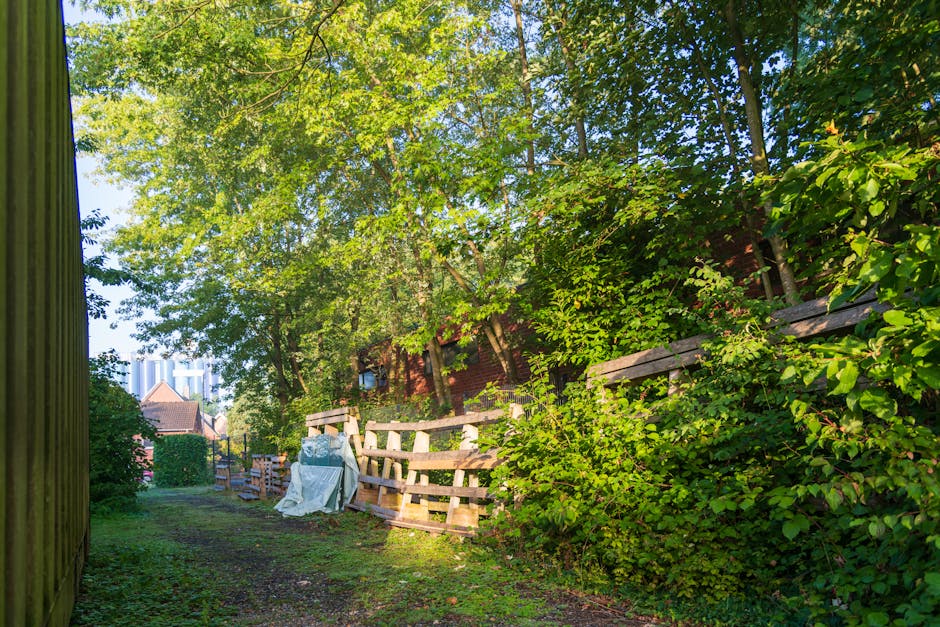
Kew Bridge station area gardeners garden clearance TW8: a practical guide to a cleaner, safer outdoor space
If you are looking for Kew Bridge station area gardeners garden clearance TW8, chances are your garden has crossed the line from "needs a bit of attention" to "right, this needs sorting properly." Maybe the borders are full of cutbacks and ivy, the lawn has vanished under leaves, or a once-useful shed corner has turned into a dumping ground for pots, offcuts, and garden waste. It happens. More often than people admit, to be fair.
Garden clearance is not just about making a space look neat for the weekend. Done well, it removes hazards, opens up light, makes future maintenance easier, and gives you a clean slate to work with. In a busy part of TW8, where many gardens are compact, shared, or shaded, clearing the right way can make a dramatic difference fast. This guide explains what garden clearance involves, how the process usually works, what good results look like, and how to avoid the common mistakes that turn a simple job into a bigger mess.
It also helps you judge when clearance is enough and when you may want extra help with hedge work, lawn care, tree work, or longer-term garden maintenance. Let's get into the details properly.
Why Kew Bridge station area gardeners garden clearance TW8 Matters
A garden clearance is the reset button many outdoor spaces need. In the Kew Bridge station area, gardens often have a few things in common: limited space, fast-growing planting, weather exposure, and a build-up of seasonal debris after wet, windy spells. That means the same issues show up again and again. Weedy beds. Overgrown climbers. Fallen branches. Old compost bags. Broken pots tucked behind bins "for now" that somehow stay there for months.
The value of clearance is not only visual. A cleared garden is easier to inspect, easier to use, and easier to maintain. You can actually see what is healthy, what is dead, what needs pruning, and what might be causing trouble behind the scenes. It is a bit like clearing out a loft before decorating a room: the mess has to go before the good work starts.
For homeowners, landlords, and property managers around TW8, clearance can also be the first step before letting, selling, renovating, or restoring a neglected space. If a garden has become inaccessible or unsafe, fast action matters. You do not want slippery paths, hidden rot, or self-seeded growth turning into a bigger job later on.
There is another point people sometimes miss: clearance can protect the plants you actually want to keep. When done carefully, it removes crowding, improves airflow, and gives desirable shrubs, hedges, and borders a better chance to recover. That is where good gardeners earn their keep. Not just by cutting things back, but by knowing what to remove and what to leave alone.
Expert summary: Good garden clearance is not random tidying. It is selective, safe, and planned. The goal is to remove waste and overgrowth while protecting the structure and future health of the garden.
How Kew Bridge station area gardeners garden clearance TW8 Works
Garden clearance usually follows a sensible sequence. The exact steps depend on the size of the garden and how overgrown it is, but the logic stays the same: assess first, clear in stages, remove waste, then leave the space ready for whatever comes next.
1. Initial assessment
The first job is to look at the garden properly. What is overgrown? What is dead wood? What is green waste and what is general rubbish? Is there ivy climbing walls or fences? Are there branches hanging over paths? Is the lawn hidden under debris? A good assessment stops the job becoming guesswork.
2. Prioritising safety
Before anything is cut, moved, or loaded, safety comes first. That means spotting broken glass, hidden nails, unstable stacks, sharp tools, and anything that could trip someone up. If there are large branches or dense shrubs, they need handling carefully. A rushed clearance can easily become messy, and messy can become unsafe very quickly.
3. Cutting back overgrowth
This is usually the most satisfying part. Brambles are reduced, self-seeded plants are removed, dead stems are taken out, and crowded growth is thinned. In a neglected garden, this stage can uncover the actual shape of the space for the first time in years. Sometimes the result is surprisingly good. Under the chaos, there may be a very decent garden waiting.
4. Sorting waste correctly
Cleared material is typically separated into green waste, general waste, and anything reusable. Branches, cuttings, weeds, and leaves are different from old timber, plastic, broken fixtures, or soil-filled bags. That sorting matters because it affects removal, recycling, and final tidiness.
5. Finishing and handover
Once the heavy lifting is done, the finishing touches matter. Paths are swept, loose debris is gathered, and the space is left level enough to walk through safely. If the clearance is the first stage before further work, the garden should be left in a state where pruning, planting, mowing, or landscaping can begin without delay.
For many residents, a practical next step after clearance is to look at a broader garden maintenance plan so the space does not slide straight back into the same condition again.
Key Benefits and Practical Advantages
There are obvious benefits to a cleared garden, and then there are the quieter ones that matter just as much over time.
- Better access: You can reach borders, fences, sheds, and patios without pushing through a tangle of growth.
- Safer movement: Fewer trip hazards, fewer hidden sharp edges, and fewer slippery piles of wet debris.
- Healthier planting conditions: Air and light move more freely, which helps reduce crowding and damp pockets.
- More useful space: A small garden feels much bigger when clutter and overgrowth are removed.
- Easier future care: Mowing, pruning, weeding, and watering all become more manageable.
- Better first impression: Important for lettings, viewings, family visits, or simply enjoying your own back garden again.
There is also a psychological benefit. A neglected outdoor area can quietly weigh on you. You keep thinking, "I should sort that." Then months pass. A proper clearance breaks that loop. Once the space is visible again, it suddenly feels possible to improve it. That small sense of control matters more than people expect.
If the main issue is tangled hedging or boundary growth, it may be worth exploring hedge trimming support in Brentford as part of the overall reset.
Who This Is For and When It Makes Sense
Garden clearance is useful for more people than you might think. It is not only for completely overgrown plots or dramatic before-and-after transformations. In real life, it suits all sorts of situations.
- Busy homeowners who want the garden cleared but do not have the time or equipment to do it properly.
- Landlords and letting agents preparing a property for new occupants.
- People moving house and wanting the outdoor space to look cared for.
- Older homeowners who need a safe, practical reset without heavy lifting.
- Families who want more usable space for children, pets, or outdoor dining.
- Anyone dealing with neglect after a long period away, illness, renovation, or a busy life season.
It also makes sense if you are planning something new. Maybe you want turf laid, a seating area, raised beds, screening plants, or simple low-maintenance planting. Clearance is usually the smart first move before any of that. You would not paint over a dirty wall. Same idea here.
If the garden contains lots of weeds, ivy, or dead climbing growth, pairing clearance with practical advice from weed reduction tips and ivy removal guidance can save time later on.
Step-by-Step Guidance
If you are planning a clearance yourself, or simply want to understand what a good service should include, this step-by-step approach is the easiest way to think about it.
- Walk the garden first. Identify hazards, access points, and the main problem areas. Do not start cutting blind.
- Separate what stays from what goes. Mark plants, structures, or features you want preserved. It sounds basic, but this avoids regret later.
- Remove obvious rubbish. Bags, broken pots, old canes, plastic, and loose debris should come out before the cutting starts.
- Deal with tall or dense growth next. Work from the outside in so you can see what is underneath as you go.
- Cut back weeds, brambles, and self-seeded plants. Dig out roots where possible, especially for persistent perennials.
- Address woody material carefully. Larger branches and shrubs may need sectioning down rather than forced removal.
- Rake and collect the finer waste. Leaves, twigs, and cuttings can hide problem areas if left behind.
- Inspect hard surfaces and boundaries. Once the clutter is gone, check fences, walls, patios, and decking for damage or wear.
- Finish with a clean sweep. The best clearances leave the space looking deliberate, not just stripped bare.
- Plan the next phase. That might be mowing, replanting, hedge work, or a more regular maintenance schedule.
A small but important clarification: clearance is not always the same as full garden restoration. If the soil is exhausted, the lawn is patchy, or the borders are full of old roots, you may need more than a one-off tidy. In those cases, a longer plan is usually better value.
Expert Tips for Better Results
A few good habits make a noticeable difference. In our experience, these are the details that separate a decent clearance from a genuinely useful one.
- Clear in sections. It is easier to stay controlled and avoid accidentally removing the wrong thing.
- Keep one eye on airflow. Dense, damp corners are where problems like mould, rot, and pest activity often start.
- Do not scalp everything flat. Some structure helps the garden recover faster and look less bare.
- Use the right pruning angle. Cuts that are too rough can tear bark or leave stubs that die back. It is a small detail, but it matters.
- Work with the garden's shape. Paths, slopes, shade, and boundary lines all affect how clearance should be done.
- Leave room for future access. A tidy garden that is impossible to maintain next month is not really tidy for long.
If privacy is part of the problem, clearing and reshaping may pair well with future planting. For example, a cleaner boundary can later support screening plants, and the idea is explored well in this guide to fast-growing hedges.
One more tip, and this is a good one: if you are clearing after a long spell of wet weather, let the garden dry a little before heavy work where possible. Wet clay, soggy grass, and slippery paving can make everything harder than it needs to be. Not impossible, just annoying. Very annoying.
Common Mistakes to Avoid
Garden clearance goes wrong in fairly predictable ways. The good news is that most mistakes are avoidable.
- Cutting before checking. You may remove plants you intended to keep, or miss hidden hazards.
- Leaving roots behind. Many weeds and invasive plants return quickly if the root system remains in place.
- Mixing all waste together. It slows down disposal and makes the job feel less organised.
- Using the wrong tools. A blunt saw or weak lopper can turn a simple cut into a frustrating struggle.
- Over-clearing in one go. Stripping a garden bare can leave it looking harsh and may expose soil or delicate areas unnecessarily.
- Ignoring boundary issues. Overhanging branches, leaning fences, or hidden rot can become your next problem if you do not notice them now.
- Forgetting aftercare. A cleared garden still needs a plan, otherwise weeds and regrowth return faster than expected.
There is also a temptation to treat clearance like a one-off victory. Truth be told, a garden usually rewards steady attention more than heroic effort. A big reset is useful, yes. But a light monthly routine often keeps things under control much better than waiting for chaos to build again.
Tools, Resources and Recommendations
The right tools make garden clearance safer, faster, and less tiring. You do not need every gadget under the sun. Just the basics, chosen sensibly.
- Gloves: Essential for brambles, thorny stems, rough timber, and general debris.
- Secateurs and loppers: Good for smaller stems, awkward cuts, and tidy pruning.
- Pruning saw: Useful when thicker branches need more control.
- Rake: Helpful for leaves, twigs, and loose organic material.
- Wheelbarrow or heavy-duty bags: Makes waste handling far less chaotic.
- Spade or border fork: Handy for lifting stubborn weeds or small roots.
- Safety eyewear: Particularly sensible when dealing with scratchy or brittle growth.
Before starting, it can help to review a proper list of basics from the essential gardening tools guide. If your project is part of a bigger refresh, you may also find value in broader gardening services, especially when clearance is only one piece of the job.
For gardens with patios, decking, or a lot of hard landscaping, you may want to follow clearance with a clean-down. Moss, leaf stain, and old soil often sit on paved areas after the plants have been removed. That is where patio cleaning or related surface work can make the whole space feel finished rather than half-done.
Law, Compliance, Standards, or Best Practice
For most domestic garden clearance jobs, the key point is simple: waste must be handled responsibly, and work should be carried out safely. If you are clearing a garden yourself, it is wise to separate green waste from general rubbish and to avoid fly-tipping or leaving waste where it can become a nuisance. That is common-sense best practice, and it is also the standard expectation in UK home garden work.
If the clearance involves trees, boundary lines, shared access, or potentially hazardous material, extra care is sensible. Large branches, unstable structures, or heavily overgrown areas can hide risks that are not obvious at first glance. A competent gardener should assess those risks before starting and use methods that reduce harm to people, pets, fences, and nearby surfaces.
It is also good practice to check whether any work may affect neighbours, especially where access is shared or growth crosses a boundary. Nobody enjoys a messy dispute over a hedge or a pile of cuttings. A quick conversation can save a long headache.
On the service side, trustworthy providers usually make their working approach clear. That includes what is covered, how waste is dealt with, what happens if access is awkward, and how payment is handled. If you want to understand those basics in advance, it is sensible to review the site's terms and conditions, payment and security information, and health and safety policy. Those pages help set expectations before any work begins.
For customers who like to compare options carefully, the pricing and quotes page can also help you understand how jobs are usually assessed. And if you want reassurance about how a provider operates more generally, about us is worth reading too.
Options, Methods, or Comparison Table
Not every garden needs the same type of clearance. Sometimes a light tidy is enough. Other times, you need a more thorough reset. The right choice depends on the state of the space and what comes next.
| Method | Best for | What it includes | Typical outcome |
|---|---|---|---|
| Light clearance | Seasonal tidy-ups and small overgrowth | Leaf removal, basic weeding, minor cutting back, waste collection | Neat and manageable, ready for routine care |
| Full clearance | Neglected or heavily cluttered gardens | Removal of dense growth, debris, brambles, dead material, and mixed waste | Clear, accessible, and ready for renovation or planting |
| Clearance plus maintenance | Gardens that need a reset and ongoing support | Clearance followed by mowing, pruning, hedge work, or scheduled visits | Improved long-term control and better appearance |
| Clearance plus landscaping prep | Spaces being redesigned | Demolition of unwanted growth, removal of clutter, levelled space, and prep for new features | A blanker canvas for the next stage |
In many TW8 gardens, the most sensible approach is not the biggest one. It is the one that matches the actual problem. A small courtyard with weeds and a few bags of rubbish does not need the same response as a back garden that has been left alone for years. Matching the method to the mess saves money, time, and frustration.
Case Study or Real-World Example
A typical local example might look like this: a narrow back garden near the station with a tired lawn, a border full of self-seeded stems, climbing ivy on one fence panel, and a pile of old pots near the rear gate. Nothing dramatic on its own, but together it makes the space feel blocked and awkward to use.
The clearance starts with a full walk-through and a quick sort of what is waste and what is worth keeping. The old pots go, the broken trellis is removed, and the ivy is cut back carefully rather than hacked at in a panic. Weedy growth around the patio edge is lifted, fallen debris is bagged, and the lawn is made visible again. The difference is not glamorous. It is better than glamorous. It is usable.
After the clearance, the owner can finally see the garden's shape. There is room for a small table, better light on the boundary, and access to the shed without squeezing sideways through a mess of stems. That is the kind of change people remember because it affects daily life, not just appearance.
In a case like that, it often makes sense to follow up with lawn mowing, a little lawn care, and a simple replanting plan. Not a giant overhaul. Just enough to keep the space moving in the right direction.
Practical Checklist
Use this as a quick check before any clearance work begins.
- Have I identified what must stay and what must go?
- Are there hidden hazards such as glass, nails, rotten timber, or unstable stacks?
- Do I know where waste will be put and how it will be removed?
- Have I checked for climbing plants, overhanging branches, or boundary issues?
- Do I have the right gloves, cutting tools, and bags or bins?
- Will I need help with heavy lifting or larger branches?
- Is the weather suitable for the type of work I want to do?
- Have I planned what happens after the clearance, not just during it?
- Do I need related work such as hedge trimming, tree work, or patio cleaning?
- Have I reviewed the service details, pricing, and safety expectations first?
A quick checklist like this saves a lot of backtracking. And yes, it is a little boring. But so is carrying the same pile of cuttings twice.
Conclusion
Garden clearance in the Kew Bridge station area is about more than removing mess. It gives you back access, improves safety, and creates the conditions for a garden to become useful again. Whether your space needs a light seasonal tidy or a fuller reset, the key is to approach it with a clear plan and a bit of judgment.
The best results come from careful sorting, sensible cutting, proper waste handling, and a realistic next step. That might mean ongoing maintenance, mowing, hedge work, or a wider transformation. Either way, clearing the space is often the moment where everything else becomes possible.
If you want a cleaner, more manageable garden in TW8, start with the clearance properly and build from there.
Get a free quote today and see how much you can save.
Frequently Asked Questions
What does garden clearance usually include in TW8?
It normally includes the removal of dead growth, weeds, brambles, leaves, branches, and general garden debris. Depending on the job, it may also include light pruning, access clearing, and waste collection. The exact scope depends on how overgrown the garden is.
Is garden clearance the same as garden maintenance?
No. Clearance is usually a reset job, while maintenance is ongoing care. Clearance deals with neglected or cluttered areas; maintenance keeps the garden under control afterwards. Many people use both together, and that is often the smarter approach.
How do I know if I need a full clearance or just a tidy-up?
If you can still move around the garden easily and the issues are mostly seasonal, a tidy-up may be enough. If you cannot see the borders, the paths are blocked, or there is a lot of hidden waste and dense growth, a fuller clearance is usually the better call.
Can garden clearance help with weeds and ivy?
Yes, but persistent weeds and ivy often need more than a quick surface cut. Roots, runners, and climbing stems may need careful removal or follow-up treatment. If left alone, they tend to return. Relentlessly, sometimes.
What should I do before a gardener arrives for clearance?
It helps to remove personal items, mark plants or features you want to keep, and make access clear. If there are pets, fragile items, or shared boundaries, mention those too. A five-minute check beforehand can save a lot of confusion.
How long does a garden clearance take?
That depends on the size of the garden and how neglected it is. A smaller tidy can be completed much faster than a heavily overgrown space. The key variable is usually density rather than square footage alone.
Will the waste be taken away?
In most professional clearances, waste removal is part of the job or arranged as part of the service. It is worth confirming in advance how green waste and mixed waste will be handled, especially if the garden contains a lot of old junk as well as cuttings.
Do I need permission for garden clearance work near boundaries?
Usually not for standard domestic clearance, but it is wise to be considerate where hedges, fences, or overhanging branches may affect neighbours. If the work may cross into a shared or disputed boundary, discuss it first. A calm conversation tends to be cheaper than a dispute.
Can clearance be done in bad weather?
It can, but wet or windy conditions often make the job slower and less safe. Slippery surfaces, heavy waste, and poor visibility all matter. In practice, better conditions usually mean a cleaner result.
What happens after the garden is cleared?
That depends on your goal. You might move on to lawn mowing, planting, hedge trimming, tree work, or a longer maintenance plan. If the garden has been neglected for a while, the post-clearance stage is where the real improvement begins.
How can I keep the garden from getting overgrown again?
Regular light maintenance is the answer. Small, frequent jobs are easier than one huge catch-up. A bit of mowing, pruning, and weeding every so often keeps the space under control and saves you from another major clearance later.
Where can I find more information about the company and its working standards?
You can review the site's about us page for background, and the relevant policy pages for details on safety, payment, and complaints handling. That helps build a fuller picture before you book anything.