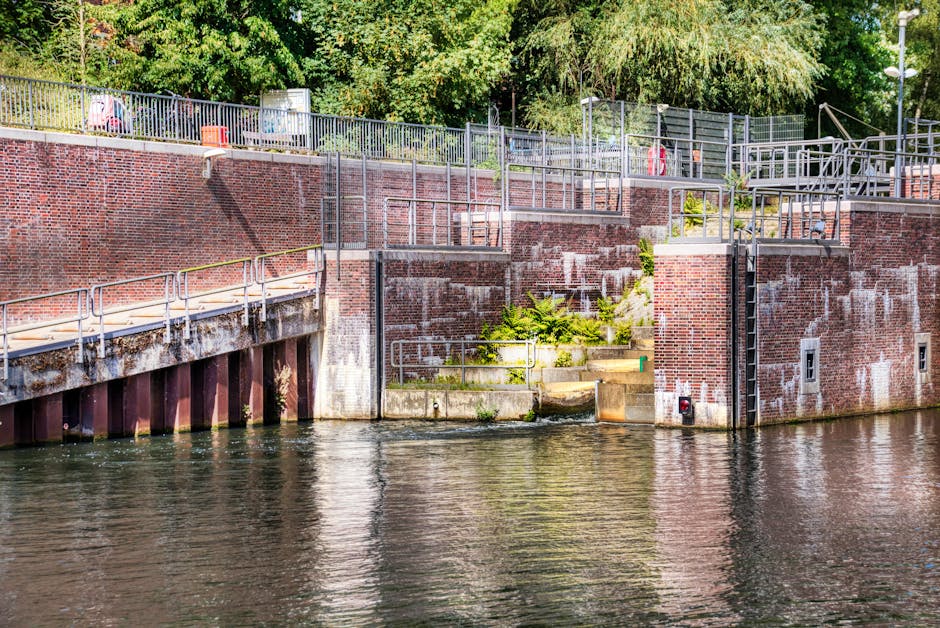
Brentford Lock riverside garden maintenance services: a practical guide to keeping waterside gardens looking their best
If you live or manage a garden near the water, you already know it is a different job altogether. Brentford Lock riverside garden maintenance services are not just about mowing a lawn and trimming a few shrubs. Along the towpath edge, wind, shade, moisture, foot traffic, and changing light all shape how a garden grows and how it needs to be cared for. In other words, the garden has its own personality. Ignore that, and it soon shows.
This guide explains what riverside maintenance involves, why it matters, how the work is usually carried out, and what to look for if you want reliable, tidy results without fuss. You will also find a practical checklist, a clear comparison of service options, and a few real-world pointers that make decision-making easier. Let's face it, a waterfront garden can look lovely one week and a bit scruffy the next.
Why Brentford Lock riverside garden maintenance services matter
Riverside gardens face a set of conditions that ordinary suburban plots do not. At Brentford Lock, the planting beds, paths, lawns, hedges, and borders sit close to water and exposed walkways. That means regular garden maintenance is doing several jobs at once: keeping the place attractive, preventing plant decline, managing weeds, reducing slip hazards, and helping the space cope with weather swings.
Moisture is the obvious one. Plants near water may get lush growth in one spell, then suffer from soggy roots or mildew if airflow is poor. Add in urban dust, occasional litter, and compacted soil from foot traffic, and you get a garden that needs consistent attention rather than the odd tidy-up. A well-kept riverside garden feels calm and cared for; an unmaintained one can look tired very quickly.
There is also the visual side. Riverside spaces are often seen from several angles: from neighbouring homes, paths, balconies, decks, or communal seating areas. A clean border, defined edge, and trimmed hedge do a lot to lift the whole setting. If privacy matters, a maintenance plan can also support screening plants and dense growth, as discussed in this helpful guide on swift-growing hedges for privacy.
And then there is resilience. Gardens near Brentford Lock can be battered by sudden gusts, wet weather, and seasonal cold snaps. Regular maintenance is one of the simplest ways to keep plants upright, prevent broken growth, and avoid that all-too-familiar spring reset where half the border looks like it has given up.
Expert summary: Riverside garden care is not a cosmetic luxury. It is a practical system for keeping plants healthy, paths safe, and the whole outdoor space usable through changing weather.
How Brentford Lock riverside garden maintenance services work
In practice, riverside garden maintenance usually starts with an assessment of the site. That sounds dry, but it is the step that stops people wasting money. A good assessment looks at plant health, weed pressure, access, drainage, lawn condition, hedge growth, hard surfaces, and any awkward spots near water or decking. It also considers how often the garden gets used and what level of finish the owner expects.
From there, the work is usually shaped into a regular routine. Some gardens need weekly visits in the growing season, while others do fine with fortnightly or monthly care. In many cases, the first visit is the biggest because it may include a reset: clearing debris, cutting back overgrowth, tackling ivy, lifting edges, and putting the structure back into shape. If a space has been neglected, a starting point like awakening a neglected garden can be very useful.
Typical riverside maintenance tasks include:
- lawn mowing and edge definition
- hedge trimming and shaping
- deadheading, pruning, and seasonal cut-backs
- weed removal and border refreshes
- leaf clearance and debris collection
- patio, path, and decking cleaning
- plant feeding, mulching, and soil improvement
- checking for storm damage or weak growth
One thing many people underestimate is the importance of access and timing. Riverside properties can have narrow side passages, shared paths, or limited parking. A good team plans around that. Not glamorous, perhaps, but it saves a lot of hassle on the day.
It also helps when the maintenance approach is seasonal. Spring is about recovery and new growth. Summer is about keeping things neat and watered. Autumn is heavy on clearance, while winter is the time for protection and structural cuts. That rhythm matters more near water because conditions can change fast and plants do not always get a second chance.
Key benefits and practical advantages
The main advantage is obvious: the garden looks better. But that is only the surface. Good riverside maintenance improves plant health, reduces long-term costs, and makes the whole outdoor area easier to use. A few neatly kept beds can transform a property. It is one of those improvements you notice every day, even if you do not say much about it.
Here are the benefits that matter most to most property owners:
- Better presentation: tidy edges, balanced planting, and a more polished look
- Healthier plants: pruning, feeding, and clearance stop common problems from spreading
- Safer access: reduced moss, fewer trip hazards, less overgrowth on paths
- Less stress: no scrambling to catch up with the garden before guests, letting, or inspections
- Better seasonal resilience: plants cope more effectively with wind, wet, and cold
- Lower replacement costs: regular care often prevents expensive replanting later
There is also a psychological benefit that people mention once they have it. A clean, green, well-shaped garden changes the mood of the place. You step outside in the morning, see the water nearby, hear a bit of rustle in the planting, and the space feels like somewhere you want to stay. Simple, but true.
If low-fuss maintenance is your priority, it can help to combine riverside care with smart planting choices. This piece on low-maintenance garden tips is a good companion read. And if you need better ground cover under trees or in shadier spots, try the ideas in picturesque ground covers.
Who this is for and when it makes sense
Brentford Lock riverside garden maintenance services are a good fit for a wide range of people. Some want regular upkeep for a private garden. Others manage communal outdoor areas, rental properties, or small commercial landscapes close to the water. In all those cases, the need is similar: the garden must stay neat, safe, and respectable without becoming a weekend burden.
This service makes sense if you are:
- a homeowner who wants a tidy outdoor space without constant DIY jobs
- a landlord or letting agent who needs the property to present well
- a resident with a garden that gets hit by shade, damp, or wind
- a busy household where the garden keeps slipping down the to-do list
- someone with planting that has become overgrown, patchy, or just awkward to manage
It is especially useful if you have structural features like decking, fencing, or seating areas that need periodic cleaning and upkeep. In riverside settings, these surfaces often gather grime or algae faster than you expect. A service that includes patio cleaning or decking services can be a practical fit, because the whole space stays coherent rather than half-done.
When does it make the most sense? Usually when growth has started to outrun your time. If you find yourself saying, "I'll sort it next weekend," for the third weekend running, that is a fairly reliable sign.
Step-by-step guidance
If you are planning maintenance for a riverside garden, the process is easier when you break it down. Here is a sensible way to think about it.
- Walk the site properly. Look at the garden from inside and outside. Note where things feel overgrown, patchy, slippery, or unbalanced.
- Identify the priorities. Is the problem weeds, hedges, lawn condition, plants leaning in the wind, or general neglect? Start with the biggest constraint.
- Set the maintenance rhythm. Choose weekly, fortnightly, or monthly visits depending on growth, use, and season.
- Reset before refining. If the garden is messy, clear debris and cut back problem growth before you try to fine-tune shapes or planting.
- Tackle the risk areas. Deal with slippery paths, moss, broken branches, ivy, and anything blocking light or access.
- Support healthy regrowth. Feed, mulch, re-edge, and water appropriately so the garden recovers, not just looks trimmed.
- Review after the first cycle. A good maintenance plan is adjusted, not fixed forever. You may need more or less work once the garden settles.
If ivy is part of the problem, do not just tug at it and hope for the best. Persistent climbers can be stubborn, and handling them poorly can damage brickwork, fences, or nearby planting. This guide on lasting ivy removal is worth reading before you make a mess of it. Been there, seen it, repaired it.
And if hedges are doing too much of the visual heavy lifting, trimming them well can instantly change the space. For shaping ideas and structured cuts, see advanced hedge trimming shapes.
Expert tips for better results
Good maintenance is not just about doing more. It is about doing the right things at the right time. That is the bit that separates a tidy garden from a garden that actually stays tidy.
1. Keep the structure clear. A riverside garden benefits from strong lines: clean lawn edges, defined beds, and hedges with a shape that suits the space. When everything is loose and drifting, the garden reads as messy even if the plants are healthy.
2. Respect the microclimate. A shady, damp corner by the water is not the same as a sunnier, sheltered patch near a wall. Treat them differently. Use plants that suit the conditions rather than trying to force the same treatment everywhere.
3. Work with the wind, not against it. Brentford Lock can get blustery. Lightweight plants may need staking, sheltered positioning, or regular checking after a windy spell. If you want to plan better around this, this windy-weather guide offers a practical way of thinking about it.
4. Don't let hard surfaces gather too much build-up. On riverside sites, paths and patios can become slippery quicker than expected. A bit of proactive cleaning keeps the area safer and makes the plants look better too. Strange as it sounds, the paving often has more to do with the garden's mood than people think.
5. Choose maintenance-friendly planting. If you want fewer problems, lean toward resilient perennials, structured shrubs, and ground cover that suppresses weeds. The planting should make the job easier, not harder.
6. Plan for the seasons, not just the week. A great summer garden can still be a winter headache if nothing is cut back, protected, or cleared in autumn. Seasonal thinking saves effort later. Every time.
Common mistakes to avoid
Most riverside garden problems are not dramatic. They creep in. A little too much watering, a little too little pruning, a few missed visits, and suddenly the garden feels out of control. Annoying, but common.
- Cutting everything back too hard: over-pruning can leave plants exposed and patchy, especially near water and wind.
- Ignoring drainage: soggy areas need attention; otherwise roots suffer and moss wins.
- Using the same approach everywhere: shaded banks, open lawn areas, and sheltered corners each need different care.
- Leaving debris to rot: fallen leaves, twigs, and wet clippings can feed disease and make surfaces slippery.
- Forgetting edge detail: edges are small, yes, but they make a huge difference to perceived quality.
- Choosing plants only for looks: pretty but fragile planting can become a maintenance headache fast.
One more thing: do not assume a garden only needs attention when it looks bad. That is a bit like waiting for a tyre to go flat before checking the pressure. Maintenance works best when it is regular and slightly boring, frankly.
Tools, resources and recommendations
You do not need every gadget under the sun. A sensible toolkit usually covers the basics well. For a deeper look at what is worth having on hand, this gardening tools list is useful, especially if you are deciding what a professional team should be bringing with them.
For riverside garden care, the most useful tools and materials typically include:
- sharp secateurs and loppers for pruning
- hedge trimmers for clean, even lines
- mowers or edging tools for lawn finish
- leaf rakes and collection bags for seasonal clearances
- weed removal tools and mulch for border protection
- cleaning equipment for patios, paths, and decking
- sturdy gloves, eye protection, and sensible footwear
Resources matter too. A good maintenance plan should be built around the actual garden rather than a generic checklist. If the space is compact, container-based, or more decorative than practical, ideas from container gardening and vertical gardening may help make the most of limited ground space.
And if the garden is meant to be a family space, consider whether the maintenance plan supports how people actually use it. For example, a child-friendly layout benefits from clear surfaces and easy sightlines. A dog-friendly corner needs durable planting and enough room to move. Small details, but they matter.
Law, compliance and best practice
For most garden maintenance jobs, the key issue is not legal complexity. It is safe, responsible working. That said, good practice still matters. Anyone carrying out work near water, shared access routes, or communal areas should be careful with trip hazards, tools, waste handling, and site access. Health and safety expectations are part of the job, not an optional extra.
In a professional setting, you would normally expect sensible precautions such as:
- clear communication before arrival
- risk awareness around wet surfaces and uneven ground
- safe use of powered tools
- appropriate disposal of green waste
- attention to neighbour access and shared walkways
- respect for property boundaries and privacy
It is also reasonable to ask about insurance, payment security, and working standards. A trustworthy provider should be able to explain how they approach safety, what their terms are, and how complaints are handled if something goes wrong. That sort of transparency is boring in the best possible way.
If you want to read more about trust and process, the site's pages on insurance and safety, health and safety policy, payment and security, and terms and conditions are sensible starting points. For service expectations, complaints procedure, accessibility statement, privacy policy, cookie policy, and modern slavery statement help build a fuller picture of how the business operates.
Options, methods and comparison table
Not every riverside garden needs the same service format. Some spaces benefit from simple, recurring maintenance. Others need a deeper reset followed by light upkeep. Here is a practical comparison.
| Approach | Best for | Typical focus | Notes |
|---|---|---|---|
| One-off tidy-up | Overgrown or recently neglected gardens | Clearance, pruning, edging, waste removal | Good as a starting point, but rarely enough on its own |
| Regular maintenance | Occupied homes and managed properties | Routine mowing, trimming, weeding, seasonal checks | Best for keeping standards steady across the year |
| Seasonal maintenance | Less-used gardens or second homes | Spring refresh, summer control, autumn clearance, winter prep | Works well if the garden does not need weekly attention |
| Combined grounds care | Decking, paths, lawns, hedges, and borders together | Broader maintenance across soft and hard landscaping | Useful when the whole outside space needs one joined-up plan |
If your garden includes lawn areas, dedicated turf care may be helpful alongside general maintenance. The pages on lawn mowing and lawn care show how those tasks sit alongside wider upkeep. For more extensive improvements, landscaping, tree surgery, and fencing can become part of a larger outdoor plan.
Case study or real-world example
Picture a riverside garden that has been left for a couple of months while the owners were away. The lawn has gone patchy at the edges, a hedge has started leaning into the walkway, weeds have popped up in the borders, and the decking has picked up a green film from damp weather. Nothing catastrophic. Just enough to make the garden feel forgotten.
The first visit would normally focus on the reset: clearing leaves and debris, cutting back overlong growth, pulling weeds, edging the lawn, and cleaning the hard surfaces. After that, the garden would shift into a lighter maintenance routine: regular mowing where needed, hedge trimming, border checks, and seasonal pruning. If climbing plants are running wild, the team may also step in to control ivy and similar growth before it spreads further.
What changes most is not only the appearance. The whole space starts working again. The path feels safer. The borders have shape. The deck looks like somewhere you might actually sit with a cup of tea, rather than somewhere you carefully step around. That is the real value, to be fair.
And if the owners wanted to keep the space easy-going long term, a few low-maintenance planting changes would help. Ground cover, privacy hedges, and resilient borders can reduce the amount of touch-up required each month. A small shift, but a powerful one.
Practical checklist
Use this quick checklist before booking or reviewing maintenance for a riverside garden near Brentford Lock:
- Have you walked the full site in daylight and noted problem areas?
- Do you know whether the garden needs a reset, routine care, or both?
- Are lawns, hedges, borders, and hard surfaces all included where needed?
- Have you identified any slippery paths, moss, or drainage issues?
- Do you know which plants need pruning, support, or protection first?
- Have you thought about seasonal changes and wind exposure?
- Is there a plan for green waste removal and general cleanup?
- Have you checked access, parking, gates, and shared areas?
- Do you know how often maintenance should happen to stay ahead of growth?
- Are safety, insurance, and payment terms clear before work begins?
One small but useful habit: take a few photos before the first visit and after the first proper tidy. It makes progress much easier to judge, and sometimes the difference is bigger than you remember in the moment.
Get a free quote today and see how much you can save.
Conclusion
Brentford Lock riverside garden maintenance services are about more than keeping things neat. They help a garden cope with the realities of water, wind, shade, damp, and regular use. When the work is planned properly, the result is calmer, safer, and far more enjoyable outdoor space. That applies whether you are caring for a compact private garden, a communal riverside area, or a property that simply needs better year-round control.
The key is consistency. A little attention at the right time saves a lot of correction later. And honestly, that is usually what people want most: not perfection, just a garden that feels looked after and easy to live with. If that sounds like you, the next step is simply to get clear on what the garden needs and choose maintenance that fits the space, not the other way around.
For a local, practical starting point, you can also learn more about the wider approach on the about us page and explore the core garden maintenance service. Sometimes the best outdoor spaces are built one sensible visit at a time.
Frequently Asked Questions
What do Brentford Lock riverside garden maintenance services usually include?
They usually include lawn care, hedge trimming, pruning, weeding, leaf clearance, border tidying, and cleaning of paths, patios, or decking where needed. The exact mix depends on the garden's condition and how often it is maintained.
How often should a riverside garden near Brentford Lock be maintained?
Most gardens near the water benefit from regular visits during the growing season, often weekly or fortnightly, with seasonal adjustments in autumn and winter. A garden with more structural planting may manage with less frequent visits, but it should still be checked consistently.
Why are riverside gardens harder to look after than ordinary gardens?
They tend to face more wind, damp, shade, and foot traffic. That can mean faster weed growth, slippery surfaces, stressed plants, and more debris from leaves or weather. In short, the environment works against tidy growth unless you stay on top of it.
Can maintenance help with privacy in a riverside garden?
Yes. Trimming and shaping hedges, supporting climbing plants, and choosing dense planting can improve privacy without making the garden feel boxed in. Good maintenance keeps screening plants healthy and balanced rather than straggly.
What should I do if my garden has become overgrown?
Start with a reset visit. That usually means clearing debris, cutting back excess growth, tackling weeds, and identifying problem plants or surfaces. After that, a regular maintenance plan is the easiest way to stop it happening again.
Do riverside gardens need special plant choices?
They often do. Plants that cope well with moisture, wind, and partial shade are usually more reliable than delicate specimens that need constant pampering. Choosing the right plants makes maintenance much easier in the long run.
Is patio or decking cleaning part of garden maintenance?
It can be. In waterside settings, patios and decking often gather algae, grime, or general weathering faster than other areas. Including those surfaces in the maintenance plan keeps the whole space safer and more presentable.
What is the difference between one-off and regular maintenance?
One-off maintenance is mainly for clearing, restoring, or tidying a garden that has been left too long. Regular maintenance is about keeping the garden in good shape once it has been reset. Most riverside spaces benefit from both at different stages.
How do I know if a maintenance plan is good value?
A good plan should match the garden's actual needs, not just tick boxes. If the work keeps the space healthy, safe, and presentable without repeated emergency fixes, it is usually good value. Transparent pricing and clear scope are important here too.
Are there safety concerns with garden maintenance near water?
Yes, mainly around slippery surfaces, uneven ground, access points, and tool handling. A responsible team should work carefully, use sensible footwear and equipment, and keep paths clear while they work. Safety should be built in from the start.
Can I book maintenance for a small riverside courtyard rather than a full garden?
Absolutely. Small spaces often need just as much attention as larger ones because every detail is visible. Container care, edging, pruning, and surface cleaning can make a compact courtyard feel much larger and more usable.
Where can I find more help if I want to improve my garden beyond maintenance?
If you want to go further, look at related services like landscaping, tree surgery, fencing, lawn care, and garden maintenance. You can also explore practical guidance on privacy planting, weeds, container gardening, and weather protection to shape a space that stays manageable over time.